
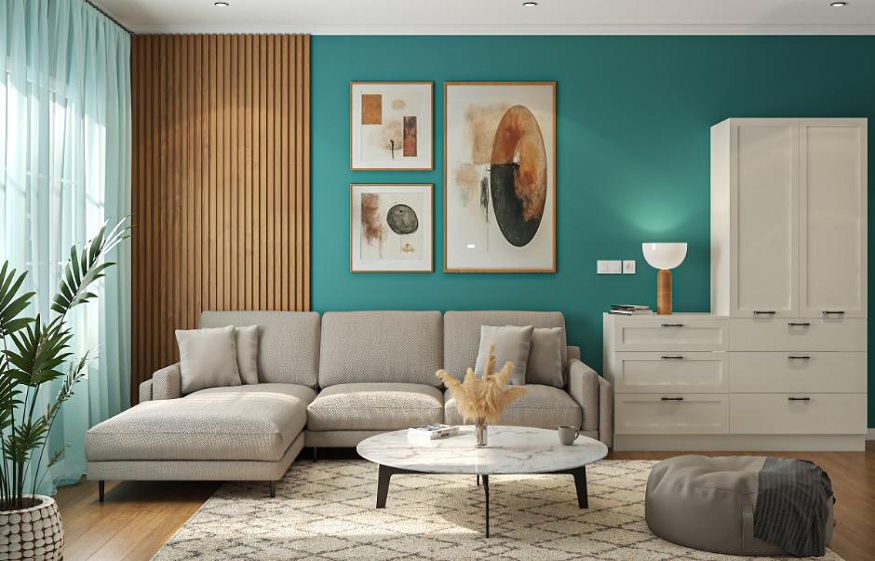
For many patients, a visit to the GP surgery can be an anxious or stressful experience. Whether it’s the anticipation of a diagnosis or just the general unease of being in a medical environment, patient comfort often comes second to functionality. However, with thoughtful design choices, GP surgeries can be transformed into spaces that reduce stress and make the overall experience much more pleasant.
In this article, we will explore various design strategies, from soothing colour schemes to comfortable seating, that can help create a calm and welcoming atmosphere in a GP surgery. We will also touch on how integrating modern technology like hand dryers in washrooms can further enhance the experience.
1.Soothing Colour Schemes
The colours used in a GP surgery can have a profound effect on how patients feel. Medical environments traditionally use stark whites and sterile shades, but these can contribute to a cold, impersonal atmosphere. Instead, opting for soft, soothing colours can help to ease patient anxiety.
Read More: Can I Replace the Fridge Seal Myself?
Cool Tones for Calmness
Colours such as soft blues, gentle greens, and pastel tones are known for their calming properties. These hues evoke feelings of tranquillity and can reduce stress levels. Blue, for example, is often associated with peace and relaxation, while green is linked to nature and healing. By incorporating these cool tones into walls, flooring, and even furniture, the surgery can instantly feel more welcoming and less intimidating.
Warm Neutrals for Comfort
While cool tones are excellent for promoting calmness, combining them with warm neutral shades such as beige, cream, or soft greys can balance the overall colour palette. These warmer hues add a sense of comfort and homeliness, which can be particularly effective in waiting areas where patients may spend a significant amount of time. The key is to create a harmonious blend that doesn’t overwhelm but subtly enhances the space’s tranquillity.
2. Comfortable and Thoughtful Seating
Comfortable seating can make all the difference in a GP surgery, especially in the waiting area where patients might feel anxious or stressed. Hard, plastic chairs may be practical, but they don’t contribute to patient comfort or well-being. Instead, consider investing in padded seating or ergonomic chairs designed to offer support and comfort.
Padded and Supportive Chairs
Padded chairs with good back support can provide a much more comfortable waiting experience, particularly for elderly or disabled patients. Choosing chairs with armrests can also make it easier for patients to get up and sit down, adding a touch of thoughtfulness to the design. For larger waiting rooms, incorporating a variety of seating options—including benches, individual chairs, and soft seating—can accommodate different patient needs and preferences.
Seating Layout
The layout of the seating can also impact the atmosphere. Rows of chairs lined up close together can feel cramped and impersonal. Instead, try creating smaller seating clusters, which can give patients a bit more personal space and reduce feelings of anxiety. Additionally, make sure there is enough space for wheelchair users and parents with pushchairs to navigate easily.
3. Lighting that Sets the Mood
Lighting plays a significant role in shaping the mood of any space, and a GP surgery is no different. Poor lighting can make a space feel cold and uninviting, while the right lighting can help create a warm, comforting environment.
Natural Light
Maximising natural light is one of the best ways to make a GP surgery feel more inviting. Natural light can boost mood and reduce feelings of stress, making it an essential design element for patient areas. Large windows, skylights, or light wells can all bring more daylight into the space, helping to create a brighter, more positive atmosphere.
Soft, Ambient Lighting
In areas where natural light is limited, it’s important to incorporate soft, ambient lighting. Avoid harsh fluorescent lights, which can make the surgery feel clinical and stark. Instead, opt for LED lighting with adjustable settings, allowing for a warmer and softer glow. This can help reduce the feeling of being in a medical environment, offering patients a sense of comfort.
4. Nature-Inspired Elements
Bringing elements of nature into the design of a GP surgery can work wonders for patient well-being. Research has shown that natural elements, such as plants and natural materials, can lower stress levels and contribute to a calming atmosphere.
Indoor Plants
Introducing indoor plants into the surgery can provide a much-needed connection to nature. Plants not only purify the air but also have a soothing effect on patients. Potted plants, small trees, or hanging greenery can be placed in waiting areas and consultation rooms to create a more relaxed and peaceful environment.
Natural Materials
Incorporating natural materials such as wood, stone, or bamboo into the design can also evoke a sense of calm. Wooden furniture or accents can soften the overall look of the surgery, making it feel more grounded and less clinical. Consider using these materials for reception desks, seating, or wall features to enhance the sense of serenity.
5. Quiet Zones and Relaxation Spaces
For particularly anxious patients, creating quiet zones or relaxation spaces within the surgery can make a significant difference to their experience. These designated areas offer a more private, peaceful space where patients can take a moment to relax away from the hustle and bustle of the main waiting area.
Quiet Corners
A small corner of the waiting room can be transformed into a quiet zone by adding comfortable seating, soft lighting, and calming décor. Providing resources such as magazines, books, or even guided relaxation audio can help patients pass the time more peacefully.
Sensory-Friendly Spaces
For patients with sensory sensitivities, such as those on the autism spectrum, a designated sensory-friendly space can offer respite. These areas can include noise-cancelling headphones, soft furnishings, and dimmable lighting to create a comfortable environment that reduces sensory overload.
6. Hygienic and Modern Washrooms
The washroom is often an overlooked aspect of a GP surgery, but it plays a vital role in patient comfort. A clean, modern washroom not only meets hygiene standards but also provides patients with a more pleasant experience.
Installing Hand Dryers
One easy upgrade is the installation of modern hand dryers. High-speed hand dryers are a hygienic, eco-friendly alternative to traditional paper towels. They reduce waste, improve hand hygiene, and require less maintenance. Plus, they help create a cleaner and more efficient washroom experience for patients.
Touch-Free Technology
Incorporating touch-free taps, soap dispensers, and flush mechanisms can further improve hygiene levels in the washroom. These modern features reduce the risk of cross-contamination and are a great way to demonstrate your commitment to patient safety.
By making thoughtful design choices, you can transform your GP surgery into a calming, welcoming space that eases patient anxieties and enhances comfort. From soothing colour schemes and comfortable seating to modern hand dryers and nature-inspired elements, these updates will ensure a more pleasant, stress-free visit for your patients while improving the overall functionality of your practice.
Read More: Home Backup to Outdoor Power: Understanding Solar Generator Systems
For wider commercial, hospitality, or public-facing projects, small supporting details can make the finished space feel more complete. Composite decking can provide a durable, low-maintenance surface for terraces, entrances, outdoor seating areas, and customer-facing spaces; while traditional signage can add character, direction, and brand presence; while digital signage can share changing information, promotions, menus, or wayfinding updates clearly.
 Instant online house valuation helps sellers price smarter
  How I Reclaimed My Week: A Genuine Happy Clean Review (The Go-To Cleaning Company in Dublin)
  Kitchen Upgrades That Make Sense for Homes Along the Wasatch Front
  Gypsum in Cement and Plaster: Why It’s Essential