
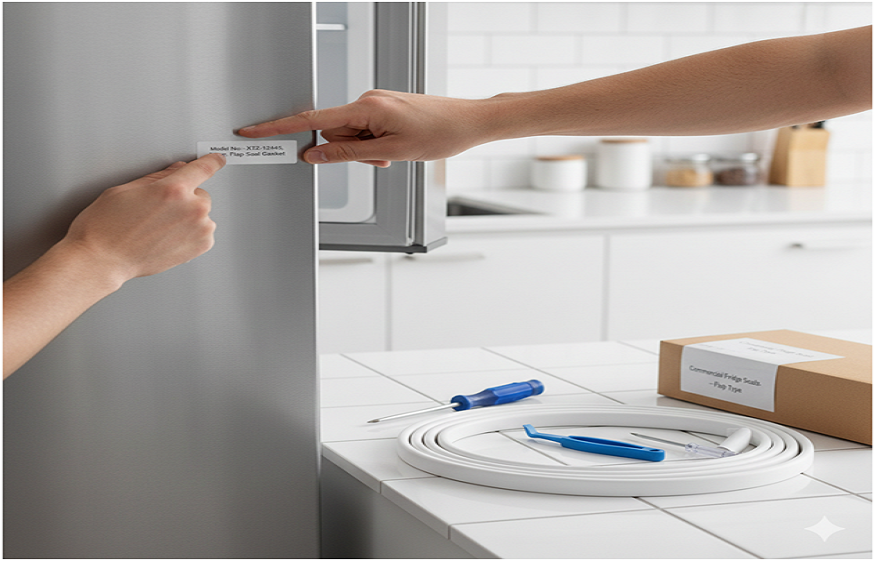
Yes, you absolutely can replace the fridge seal (also called the door gasket) yourself!
It is a very common and straightforward DIY repair that can save you money on service calls. Performing a proper fridge seal replacement improves energy efficiency and helps keep your food cold, preventing compressor overuse. The same principles apply whether you are fixing a standard residential unit or replacing heavy-duty Commercial Fridge Seals on specialized refrigeration equipment.
What You Need to Do First: Preparation is Key
Before you start, the most important step is getting the correct replacement gasket.
- Find Your Fridge’s Model Number: This is usually on a sticker inside the refrigerator compartment (often on a side wall, near the top, or behind the crisper drawers).
- Identify the Seal Type: Gaskets typically fall into one of two main categories:
- Dart Profile (Press-Fit): This type has a dart or fin on the back that simply presses into a groove/channel on the door.
- Flap/Compression Profile (Screw-In): This type is held in place by screws that sandwich the gasket behind an inner door panel or a metal retainer.
- Purchase the Correct Gasket: Order a replacement specifically designed for your fridge’s make and model, ensuring it matches the profile type (dart or flap).
- Prepare the New Seal: New seals often come folded or kinked from shipping. Lay the new seal flat in a warm room or soak it in warm water for a few minutes to soften the rubber and remove any creases, which will make installation much easier.
Read More: Why Gypsum Powder Is the Best Construction Material for Hot Climates
General DIY Steps for Fridge Seal Replacement📝
The removal and installation steps vary slightly depending on your seal type, but the process is manageable for both. Remember to unplug your refrigerator before starting!
For Dart Profile Seals (Press-Fit):
- Remove the Old Seal: Start at one corner and gently but firmly pull the old fridge seal straight out of the groove around the door’s perimeter.
- Clean the Channel: Wipe down the empty groove with warm, soapy water to remove any dirt, food residue, or mold, and dry it completely.
- Install the New Seal: Start with the top corners, aligning the dart/fin and pressing it firmly into the groove. Work your way around the entire door, pushing the seal into the channel using your thumbs or a blunt plastic tool until it’s seated securely all the way around.
Read More: Elegent Homz Marks Over 10 Years of Real Estate Excellence in India
For Flap Profile Seals (Screw-In):
- Loosen the Screws: Lift the edge of the old seal to reveal the screws underneath (usually along the inner perimeter of the door). Loosen the screws holding the inner door panel or metal retainer, but do not remove them completely. You just need enough space to slide the seal out.
- Remove the Old Seal: Carefully pull the old gasket out from behind the loosened panel/retainer.
- Clean the Area: Clean the surface where the gasket sits with warm, soapy water and dry it.
- Install the New Seal: Position the new seal and carefully tuck its lip/edge behind the panel or retainer, making sure it sits evenly.
- Tighten the Screws: Gently tighten the screws until they are snug. Do not overtighten to avoid damaging the plastic liner.
Post-Installation Tips✨
- Check for Gaps: Close the door and check all the way around for any gaps or uneven areas. If you find any, you can use a hair dryer on a low heat setting to gently warm the seal in that spot. The heat will help the rubber relax and conform for a better fit.
- Prevent Sticking: Some experts recommend applying a thin layer of petroleum jelly (Vaseline) along the hinge side of the seal to help it slide easily and prevent it from pulling loose when the door opens.
By following these steps, you can successfully complete your own fridge seal replacement and restore your appliance’s performance.
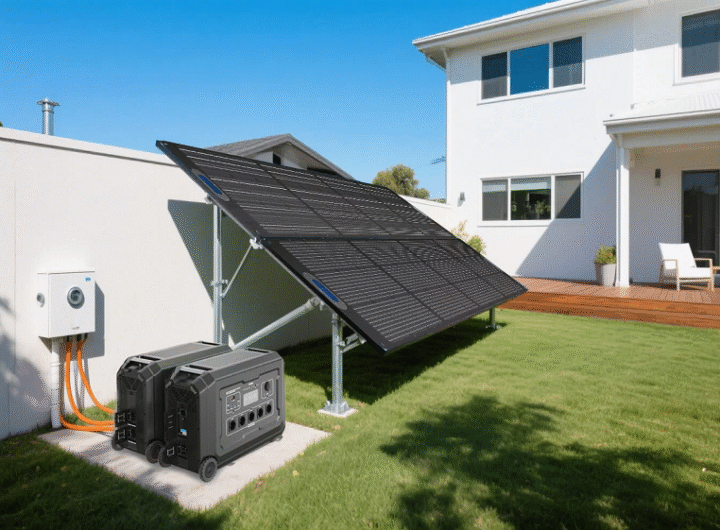 Home Backup to Outdoor Power: Understanding Solar Generator Systems
 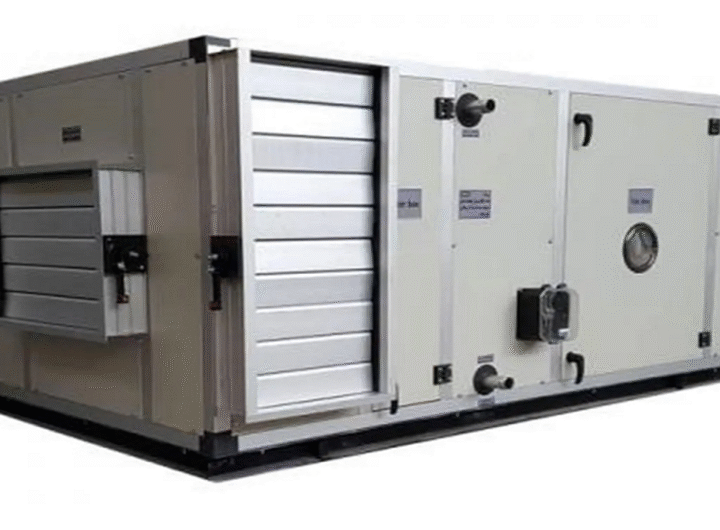 From A to Z About the Air Washer
  Why Gypsum Powder Is the Best Construction Material for Hot Climates
  5 Surprising Uses of Gypsum Powder Across Different Industries
 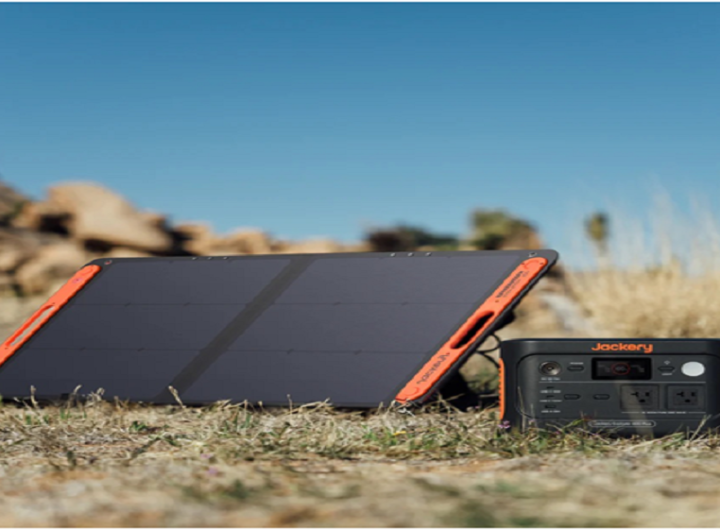 Keeping Cool on Your Summer Camping Trip: Essential Gear and the Jackery Solar Generator 600 Plus
  Instant online house valuation helps sellers price smarter
  How I Reclaimed My Week: A Genuine Happy Clean Review (The Go-To Cleaning Company in Dublin)
  Kitchen Upgrades That Make Sense for Homes Along the Wasatch Front
  Gypsum in Cement and Plaster: Why It’s Essential